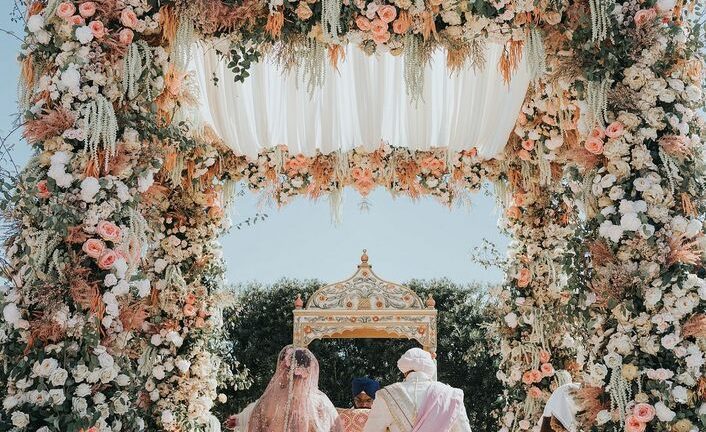
Ever been to a party where it feels like the universe conspired to throw the most epic bash ever? That’s an Indian wedding for you—a shaadi where traditions and emotions collide with music, food, and non-stop dancing to create pure magic. It’s not just about vows or ceremonies; it’s a full-blown carnival with the bride and groom as the ultimate stars of a dazzling show. Imagine vibrant outfits, endless rituals, and enough food to feed an army—oh, and don’t forget the aunties gossiping in one corner while the cousins are tearing up the dance floor. Whether you’re there to soak in the culture, witness the drama, or just grab a plate of butter chicken, an Indian wedding is one big, beautiful rollercoaster of memories you’ll never forget.
The Grandeur of an Indian Wedding
Imagine a carnival of vibrant hues, rhythmic beats, and delectable aromas—this is what defines an Indian wedding. Known for their grandeur, these events often span several days and include numerous ceremonies, each with its unique significance. Whether it’s the bride’s dazzling attire or the groom’s majestic baraat procession, every element is a meticulously planned spectacle.
Indian weddings are also deeply rooted in family and community values. They are as much about the union of two families as they are about two individuals. With traditions passed down through generations, shaadis are a perfect blend of culture, spirituality, and celebration
Pre-Wedding Shenanigans: The Party Before the Party
Indian weddings kick off days before the actual ceremony with pre-wedding celebrations that are as lively as the wedding itself. Let’s take a closer look at these iconic events:
Mehendi: Hands, Henna, and Happiness

The Mehendi ceremony is an artistic affair. The bride sits like royalty while her hands and feet are adorned with intricate henna patterns. Guests join in too, flaunting their mehendi designs while grooving to traditional tunes.
Haldi: A Splash of Yellow and Laughter

Imagine a room filled with giggles and the golden glow of turmeric paste. That’s the Haldi ceremony for you. The bride and groom are smeared with turmeric (Haldi) to bless them with prosperity and glowing skin. It’s messy, it’s fun, and it’s one of the most intimate moments shared with close family and friends.
Sangeet: Dance Like No One’s Watching

Think of the Sangeet as a dance-off where both families bring their A-game. Choreographed performances, impromptu moves, and high-energy Bollywood songs make this night unforgettable.
Cocktail Parties and Pre-Wedding Shoots
Modern Indian weddings often include glamorous cocktail parties and meticulously planned pre-wedding photoshoots. These additions blend contemporary flair with traditional festivities, ensuring every moment is picture-perfect.
The Wedding Day: A Rollercoaster of Rituals and Emotions
The Baraat: A Moving Carnival

The groom’s grand procession, known as the baraat, is a spectacle. Accompanied by a live band or DJs, guests dance their way to the wedding venue, turning the streets into a dance floor.
Kanya Aagman: The Bride’s Grand Entrance
The bride’s arrival is a breathtaking moment. Draped in dazzling Indian wedding wear, she walks under a floral canopy, radiating grace and poise.
Sacred Vows: Rituals of Eternal Bond
- Granthibandan and Varmala: The tying of the knot symbolizes the couple’s spiritual and physical union, followed by the varmala exchange, signifying mutual respect.
- Kanyadan: The bride’s father entrusts her to the groom, a deeply emotional and spiritual act.
- Saptapadi: The couple takes seven vows around a sacred fire, promising love, loyalty, and friendship.
Symbolic Gestures: Marking a New Beginning
The groom adorns the bride with sindur and a mangal sutra, sacred symbols of marriage. Married women bless the bride, wishing her a lifetime of happiness.
Vidaai: An Emotional Goodbye

The wedding concludes with the bride bidding farewell to her family. It’s a poignant moment, filled with tears and blessings, marking the start of her new journey.
Indian Wedding Traditions Across Cultures
Hindu Weddings: Sacred and Colorful

Hindu weddings include elaborate rituals like havan (fire rituals) and mangal pheras, celebrated with vibrant decor and a spiritual vibe.
Sikh Weddings: Simple Yet Soulful
In Sikh culture, weddings are held in a gurudwara, with the serene Anand Karaj ceremony. The focus is on spirituality and unity.
Muslim Weddings: Nikah and More
Muslim weddings are elegant affairs, centered around the Nikah, where the couple signs a marriage contract. The celebrations include traditional feasts and the Walima (reception).
Regional Differences: From Punjab to Kerala
- Punjabi weddings are all about exuberance and bhangra beats.
- South Indian weddings, which are frequently held at temples, are rooted in tradition and simplicity.
- Bengali weddings feature unique traditions like shubho drishti (first glance) and sindoor daan.
Guest Lists, Spectacular Venues, and Delicious Feasts at Indian Weddings

The Guest List: Who’s Invited?
An Indian wedding guest list can range from an intimate 200 to a whopping 2000 people. Relatives, friends, neighbors, colleagues—everyone is welcomed with open arms, turning the wedding into a community celebration.
The Importance of Gifts
Gifts are a significant part of Indian weddings, symbolizing blessings and good wishes. Cash envelopes are a traditional gift, but modern couples often create registries for convenience.
The Peak Wedding Season
Shaadis are typically held from October to February when the weather is pleasant, and auspicious dates abound. These months witness a flurry of activity, with venues and vendors in high demand.
Venue Extravagance
From majestic palaces in Rajasthan to beachfront resorts in Goa, Indian wedding venues are a spectacle in themselves. The choice of venue often reflects the family’s personality, ranging from traditional banquet halls to modern luxury hotels.
Culinary Delights
Food at an Indian wedding is nothing short of a feast. From regional specialties to global cuisines, live counters, and extravagant desserts, every bite is a celebration of flavors. The focus is frequently on signature dishes like gulab jamun, paneer tikka, and biryani.
What to Wear to an Indian Wedding
Indian weddings are a lavish, traditional, and colorful ceremony. Choosing the right attire adds to the festive spirit while honoring the cultural essence of the occasion. Here’s how to look your best:
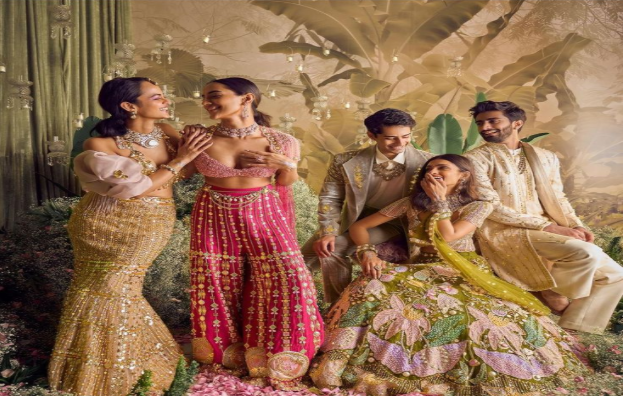
- For Men:
Embrace traditional outfits like sherwanis, kurta-pajamas, or bandhgalas in luxurious fabrics such as silk or velvet. Pair with mojris or embroidered shoes for a polished look. Adding a dupatta or stole enhances the regal appeal. - For Women:
Opt for vibrant sarees, intricately designed lehengas, or elegant Anarkali suits. Rich fabrics like silk, georgette, or brocade in jewel tones or pastel hues work beautifully. - Accessories:
Traditional jewelry is key! Men can accessorize with a brooch or turban, while women can accessorize with jhumkas, bangles, necklaces, and maang tikkas. Complement your look with clutches or potlis for women and embroidered stoles for men. - Footwear:
Comfortable yet stylish footwear is a must. Men can go for mojris or juttis, while women can opt for embellished sandals or heels.
This attire not only celebrates the cultural richness but also ensures you’re part of the grand spectacle that Indian weddings are known for!
The Wedding Industry and Its Economic Impact

The Indian wedding business, which is worth more than $50 billion, has a significant impact on many other areas of the country’s economy. From the hospitality industry, which sees a surge in demand for luxury venues and resorts, to fashion, where bridal wear, jewelry, and luxury accessories are in high demand, the wedding market supports thousands of businesses. The catering, entertainment, and event planning sectors also thrive, creating significant employment opportunities. Jewelry, particularly gold and diamonds, sees a sharp rise in sales during wedding seasons, further boosting the economy. In addition to this, luxury goods and even smaller market items like sweets and souvenirs see increased consumption, making Indian weddings a significant economic driver. The ripple effect on local and global markets underscores how integral this industry is to India’s overall economic health.
A Celebration Like No Other
An Indian wedding is more than just a celebration—it’s a homecoming, where every moment is steeped in tradition, joy, and family. From the vibrant colors and lively music to the meaningful rituals, each part of the celebration connects you to history, culture, and the people you love. Whether you’re dancing at the sangeet, sharing vows in the ceremony, or enjoying the feast, the spirit of togetherness makes you feel right at home. With each ritual and celebration, an Indian wedding creates memories that last a lifetime, forever anchored in love, tradition, and a sense of belonging.


